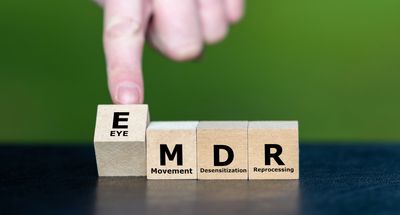
Eye Movement Desensitization and Reprocessing Therapy
What Is EMDR?
Eye Movement Desensitization and Reprocessing (EMDR) is a structured psychotherapy that assists your brain to process distressing memories and events and can change the way you think about these things so they become less emotionally overwhelming over time.
One of the unique aspects of EMDR is that you don't have to go into detail about your traumatic memories. However, you do need to be able to regulate your nervous system fairly well in order to navigate your emotions during treatment.
EMDR is recognized as a gold standard treatment for PTSD along with Cognitive Processing therapy and Prolonged Exposure therapy. EMDR can also be helpful for many other conditions as it is considered a trans-diagnostic therapy.
How Trauma Can Affect the Brain
After a traumatic experience, memories may become “stuck” in the brain’s threat system. This can lead to symptoms such as:
- Intrusive memories or flashbacks
- Nightmares
- Anxiety or panic
- Avoidance of reminders
- Feeling constantly “on guard”
- Emotional numbness
- Shame, guilt, or negative beliefs about oneself
EMDR helps the brain reprocess these memories in a safer and more adaptive way.
How EMDR Works
During EMDR therapy, the therapist guides you to briefly focus on a traumatic memory while also engaging in “bilateral stimulation,” (both halves of your brain) such as moving your eyes back and forth or gently tapping on alternating sides of the body. This bilateral activation appears to help the brain reorganize traumatic memories so they feel less distressing.
What Happens in EMDR Therapy?
EMDR usually occurs over multiple sessions and includes several phases:
- History and treatment planning
Identifying goals and ensuring EMDR is appropriate for you. - Preparation/Resourcing
Learning coping skills and ways to feel emotionally grounded and safe. - Processing traumatic memories
Working through distressing memories gradually with the therapist’s guidance. - Installing positive beliefs
Strengthening healthier thoughts such as “I am safe now” or “I did the best I could.” - Closure and reevaluation
Ensuring emotional stability at the end of sessions and monitoring progress over time.
What EMDR Feels Like
People often describe EMDR as emotionally intense at times, but many notice that memories become less vivid, less upsetting, and easier to manage. Some people experience temporary fatigue or emotional reactions between sessions.
You remain awake, aware, and in control throughout treatment.
Is EMDR Effective?
Research shows EMDR can reduce PTSD symptoms, anxiety, distress, and trauma-related beliefs. Some people improve within a relatively short number of sessions, while others benefit from longer-term therapy depending on the complexity of trauma.
Tips for Patients Starting EMDR
- Be open with your therapist about concerns or reactions.
- Practice coping and grounding skills between sessions.
- Prioritize sleep, hydration, and self-care. Try not to use psychoactive substances such as alcohol, cannabis or especially benzodiazepines.
- Healing is gradual and may happen in stages.